The UAC Instruction Sheet guides unaccompanied alien children in filing asylum with USCIS. It details required forms, custody proof, and child identity docs. USCIS mandates its submission with Form I‑589 to ensure proper review and eligibility verification. Applicants should seek legal help.

Legal Definition and Eligibility of Unaccompanied Alien Children
Under U.S; immigration law, an unaccompanied alien child (UAC) is a person under 18 who arrives in the United States without a parent or legal guardian and is not in the custody of a family member. The Immigration and Nationality Act (INA) defines a UAC as a child who, at the time of arrival, is not under the lawful care of a parent or guardian and is not in the custody of a family member. The U.S. Citizenship and Immigration Services (USCIS) and Immigration and Customs Enforcement (ICE) maintain that a child who meets these criteria, regardless of age at filing, is considered a UAC for asylum purposes. Eligibility for asylum requires that the child must have a credible fear of persecution or torture in their home country. The child must also demonstrate that the persecution is linked to one of the protected grounds: race, religion, nationality, membership in a particular social group, or political opinion. The UAC Instruction Sheet must be completed and submitted with Form I‑589 to confirm the child’s status and provide evidence of custody, such as an Office of Refugee Resettlement (ORR) letter. The sheet also requires the child’s identity documents, including a passport or birth certificate, to establish eligibility. Failure to submit the UAC Instruction Sheet can result in denial of the asylum claim. Therefore, it is essential for parents, guardians, or legal representatives to ensure that the sheet accurately reflects the child’s circumstances and that all supporting documentation is attached before filing with USCIS.

Purpose and Scope of the UAC Instruction Sheet

The UAC Instruction Sheet is the official tool used by unaccompanied alien children to file an asylum application with U.S. Citizenship and Immigration Services (USCIS). Its purpose is to provide a standardized format for collecting all information required by USCIS to confirm a child’s status as an unaccompanied alien child, to verify custody, and to document the child’s identity, background, and asylum claim. By completing the sheet, applicants present the child’s full name, date of birth, country of origin, and circumstances of arrival in a consistent, USCIS‑approved layout. The sheet also specifies the supporting documents that must accompany the Form I‑589, such as an Office of Refugee Resettlement (ORR) custody letter, proof of identity, and evidence of persecution. Additionally, the UAC Instruction Sheet clarifies the responsibilities of the child’s legal guardian or representative, detailing how to report custody status accurately and how to update the sheet if circumstances change. The scope of the sheet extends beyond data collection; it is designed to streamline the adjudication process by reducing incomplete or improperly filed applications. Consequently, the UAC Instruction Sheet is a critical component of the asylum filing process for unaccompanied children, ensuring compliance with federal law and facilitating timely review by USCIS. Applicants must sign the sheet, verify all dates, and confirm the child’s identity to avoid delays and ensure a smooth asylum process promptly, fully!.

Obtaining and Accessing the UAC Instruction Sheet
To obtain the UAC Instruction Sheet, visit the official USCIS website and download the PDF from the Refugee, Asylum and International page. Alternatively, trusted legal aid sites offer fillable templates. Ensure the file is the latest version before printing or submitting and verify quick! soon. fast
Official USCIS Download
Accessing the UAC Instruction Sheet directly from USCIS ensures that applicants receive the most current, legally vetted form. The download is available on the official USCIS Refugee, Asylum and International portal, where the form is labeled “UAC Instruction Sheet for Form I‑589.” Users should verify the PDF’s version number, typically displayed in the top right corner, to confirm it reflects the latest policy updates. After downloading, the file can be opened with any standard PDF reader, and applicants may print it for manual completion or use a digital signature tool if the USCIS accepts electronic signatures for this document. It is advisable to keep a copy of the downloaded PDF in a secure location, as it may be required for future reference or for submission to legal counsel. USCIS also provides a brief instructional guide on the same page, outlining the steps for filling out the sheet, attaching required supporting documents, and submitting the completed form alongside the I‑589 application. Following the official download route eliminates the risk of using outdated or altered versions that could jeopardize the asylum claim. For those who prefer a fillable template, USCIS offers a fillable PDF version that can be completed electronically before printing. By adhering to these guidelines, unaccompanied alien children and their guardians can confidently prepare their asylum application with the correct, authoritative documentation. All steps are vital!.
Third-Party Fillable Templates
Many applicants turn to third‑party services for a ready‑to‑use, fillable UAC Instruction Sheet. Popular platforms such as pdfFiller and airSlate SignNow offer downloadable PDF versions that can be completed electronically on desktop or mobile devices. These templates typically include all required fields—personal data, custody proof, and asylum claim details—pre‑formatted to match USCIS specifications. Users can type directly into the PDF, attach scanned documents, and apply a digital signature if the form is later printed for submission. However, because the form is a legal document, applicants should verify that the third‑party template matches the latest USCIS release. A quick check of the version number, usually found in the PDF header, helps ensure compliance. It is also prudent to keep a copy of the original USCIS‑issued PDF for reference, as some immigration attorneys may request the official source. While third‑party templates save time, they should be used with caution: confirm that the fillable fields are not locked, that the layout matches the official form, and that no extraneous text has been added. When in doubt, download the official USCIS version and use it as a baseline, filling it in manually or with a trusted fillable PDF editor. This approach balances convenience with legal accuracy, reducing the risk of submission errors that could delay or jeopardize an asylum claim. Remember: always verify the form’s authenticity before filing.!!
Required Documentation for Filing
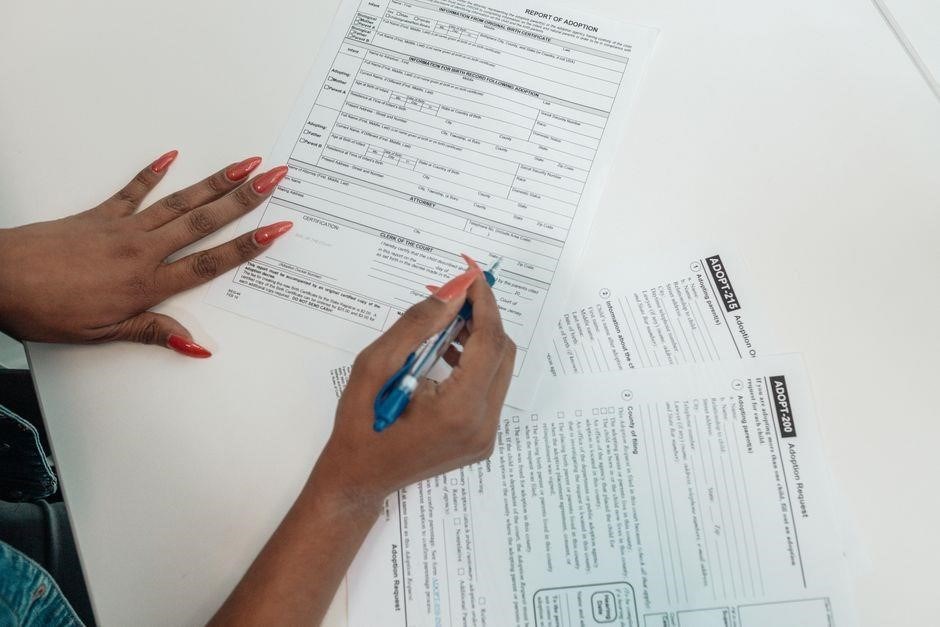
Applicants must submit the UAC Instruction Sheet, a proof of custody letter from the HHS Office of Refugee Resettlement (ORR), and the child’s identity documents such as a passport or birth certificate. These items are mandatory for a valid asylum filing
Proof of Custody (ORR Letter)
The ORR Custody Letter is a formal document issued by the U.S. Department of Health & Human Services Office of Refugee Resettlement (HHS‑ORR) that confirms an unaccompanied alien child’s placement and care under the agency’s supervision. The letter must include the child’s full name, date of birth, and the specific facility or program where the child is housed. It should also state the dates of entry into and exit from ORR custody, the legal basis for the child’s status, and the name and contact information of the ORR officer or case manager responsible for the child’s case. The letter is required to accompany the UAC Instruction Sheet and the Form I‑589 when filing for asylum, as it provides USCIS with verifiable evidence that the child meets the statutory definition of an unaccompanied alien child. To obtain the letter, the child’s caseworker or the agency’s legal office must submit a request to the appropriate ORR office, which will then issue the letter in a standardized format. The document must be signed, stamped, and dated by an authorized ORR representative, and a copy of the letter should be retained by the applicant’s legal counsel for reference during the asylum process. Failure to provide a valid ORR Custody Letter can result in the denial of the asylum application or a request for additional evidence, thereby delaying the child’s protection and legal status in the United States. Proper completion of the ORR letter is essential, asylum claim under U.S. immigration framework.
Identity Documents for the Child
When filing the UAC Instruction Sheet and Form I‑589, the applicant must provide verifiable identity evidence for the child. The required documents typically include a birth certificate issued by the country of origin, a passport or travel document, or a government‑issued identification card. If the child is a refugee or has been in ORR custody, the ORR case file may contain a copy of the child’s birth certificate or a notarized statement of parentage. When the original birth certificate is unavailable, a sworn affidavit from a parent, guardian, or community leader, supported by school records or medical charts, can be accepted. All documents must be in the child’s native language or accompanied by a certified English translation. The translation must include the translator’s certification, contact information, and a statement that the translation is accurate. USCIS requires that all documents be original or certified copies; photocopies without certification are generally rejected. The child’s identity documents should be organized in the order of priority: birth certificate, passport, ORR custody letter, and any secondary evidence. Documents should be organized by priority in. Properly prepared identity documentation helps USCIS confirm the child’s age, nationality, and legal status, which are critical for eligibility under the UAC definition. Failure to provide adequate identity evidence can result in a Request for Evidence (RFE) or denial of the asylum claim. Applicants should consult an immigration attorney or accredited representative to ensure compliance with USCIS standards and to avoid delays in the asylum adjudication process.

Step-by-Step Completion Guide
Fill personal data, attach ORR letter, list custody details, declare asylum claim, sign, submit with I‑589. Use official USCIS template, verify translations, keep copies, track receipt, follow deadlines.All documents signed, notarized, and mailed promptly.!
Personal Information Section
Begin by entering the child’s full legal name, including any middle names or suffixes, exactly as it appears on birth or immigration documents. Next, provide the date of birth in MM/DD/YYYY format, followed by the country of birth and current residence. Specify gender. Include the child’s ethnicity and nationality. Supply the child’s unique identification number, such as a passport or national ID number, and the issuing authority. For the address, use the full street address, city, state, and ZIP code; if the child lives in a shelter, include the shelter name and location. Provide phone number with country code and area code, and a valid email address that the child or guardian can access. All information must be accurate; errors can delay processing.
When entering the name, use the same order as on official documents; avoid abbreviations unless they appear on the documents. For the date of birth, use the 7‑digit format if the child is under 18, and include the year of birth. For the country of birth, use the official country name recognized by the UN. For ethnicity, choose from the standardized categories provided by USCIS. If the child has a refugee travel document, include its number and issuing country.
If the child has a guardian or legal representative, provide their name, relationship, and contact details in the designated section. If the child is under 18, indicate the guardian’s name and the legal basis for guardianship. Attach a notarized statement from the guardian confirming the child’s identity and the accuracy of the information. Ensure the signature is witnessed by a notary public, include the notary seal and date. If the child is a minor, the guardian’s signature must be on the same page as the child’s signature, unless the child can sign independently.
After completing the personal information section, review all entries for consistency with supporting documents. Cross‑check the name, date of birth, and identification numbers against the birth certificate and passport. If any discrepancies arise, correct them before submission. Once verified, proceed to the next section of the UAC Instruction Sheet.
Custody Details Section
In this part of the UAC Instruction Sheet, the applicant must provide comprehensive information about the child’s current custodial status. Begin by identifying the agency or organization that holds custody, such as the Office of Refugee Resettlement (ORR), a state or local child welfare agency, or a private shelter. Include the full legal name address, phone number, and the specific program or facility designation. Next, state the date the child entered custody and the date of the most recent custody transfer, if applicable. Provide the child’s unique custody identification number issued by the agency, and attach a certified copy of the ORR letter or equivalent documentation confirming custody. If the child is under a legal guardian’s care, list the guardian’s full name, relationship to the child, and contact details. Specify whether the guardian is a biological parent, relative, or appointed guardian, and include any court order numbers or legal documents that establish guardianship. If the child is in a group home or foster care, provide the facility’s name, address, and the case manager’s name and contact information. Include the child’s case number and the name of the caseworker. If the child has been transferred between multiple agencies, describe each transfer, the dates, and the reasons for transfer. Attach supporting documents such as transfer orders, case notes, or official correspondence. Finally, confirm that the child’s current custodial status is active and that no termination or release orders are pending. Sign and date the section, and have it witnessed by a notary public if required by USCIS. All details must be accurate Thanks
Asylum Claim Section
The asylum claim portion of the UAC Instruction Sheet requires the child or guardian to detail the reasons for seeking protection under U.S. asylum law. The claimant must identify the country of origin, the specific events that forced the child to flee, and how those events relate to one of the protected grounds in the Immigration and Nationality Act—race, religion, nationality, membership in a particular social group, or political opinion. A clear, chronological narrative is essential; it should include any evidence such as police reports, medical records, affidavits, or other documentation that corroborates the child’s experiences. If the child has a documented history of abuse, threats, or persecution, attach relevant court orders or protective orders. The claimant must also affirm that the risk of harm remains if the child returns to the country of origin, and explain how the current situation differs from any prior asylum filings or denials; According to the 2019 USCIS memorandum, asylum officers are instructed to conduct independent factual inquiries to confirm eligibility; the claimant should reference this memorandum and provide any supporting evidence that demonstrates vulnerability. The claimant should also specify the type of protection sought—whether for the child alone or for a family unit—and list any family members who will accompany the child upon relocation. If the child is a minor, state the age and any special needs or medical conditions that could affect the asylum process. The claimant should also note any special circumstances that may affect the asylum process and seek legal counsel for clarity!!!.

Submission Process and Filing Deadline
Once the UAC Instruction Sheet and all supporting documents are complete, the applicant must submit the entire packet to the appropriate USCIS Asylum Office. The packet should include the Form I‑589, the UAC Instruction Sheet, proof of ORR custody, child identity documents, and any evidence supporting the asylum claim. The submission can be made by mail to the address listed on the USCIS website or electronically through the USCIS online filing portal if the applicant is eligible. USCIS requires that the packet be received no later than 30 days after the initial asylum filing date. If the packet is not received within this window, the application may be considered abandoned, and the applicant will lose the right to pursue asylum. Applicants should keep a copy of the entire packet and any confirmation receipts. It is advisable to use a traceable mailing service or to confirm receipt through the USCIS portal. Failure to meet the deadline can result in denial or removal proceedings. Therefore, timely preparation, accurate completion, and prompt submission are critical to preserving the applicant’s asylum rights. Applicants may also request expedited processing if they face imminent danger upon return. USCIS will review such requests on a case‑by‑case basis, and applicants should provide evidence of urgency. It is essential to keep all correspondence and receipts for future reference. All deadlines must be strictly observed to protect asylum; All filings must be accompanied by receipt for proof?

Appeals and Reconsideration Procedures

When a UAC asylum application is denied, the child or legal guardian may file a request for reconsideration with the same USCIS office that issued the decision. The request must be submitted within 30 days of the denial notice and must include the UAC Instruction Sheet, the original denial letter, and any new evidence that was not previously considered; USCIS will review the request and may grant a hearing before an immigration judge if the applicant meets the criteria for a judicial review. If the reconsideration is denied, the applicant can file a petition for review with the Board of Immigration Appeals (BIA). The petition must be filed within 30 days of the BIA denial and must contain a detailed explanation of why the original decision was incorrect, supported by legal arguments and any additional documentation. The BIA may grant a hearing or issue a written decision. If the BIA decision is unfavorable, the applicant may pursue a civil action in federal court. Throughout the appeals process, the UAC Instruction Sheet remains a key reference document, ensuring that all procedural requirements are met and that the child’s status is accurately represented. Legal representation is strongly recommended, as the appeals process is complex and requires strict adherence to procedural deadlines and evidentiary standards. Proper documentation, including the UAC Instruction Sheet, can significantly influence the outcome of the appeal or reconsideration. All steps must be followed precisely to preserve rights.!!