Quilt Care Instructions: A Comprehensive Guide
Safeguarding cherished quilts‚ whether heirlooms or modern creations‚ demands mindful care; understanding fabrics and construction is key to preserving their beauty and longevity‚ ensuring generations enjoy them.
Understanding Quilt Fabrics
Quilts showcase a diverse range of fabrics‚ each requiring specific care considerations. Vintage quilts often feature lightweight cottons‚ silks‚ and even wools‚ meticulously hand-sewn and prone to delicate handling. Modern quilts frequently utilize durable cottons‚ polyester blends‚ and synthetic batting‚ offering greater resilience but still benefiting from gentle treatment.
Identifying the fabric composition is crucial; natural fibers like cotton are generally more breathable and can withstand higher washing temperatures‚ while synthetics may require lower heat to prevent melting or distortion. The age of the fabric also plays a role – older fabrics are inherently more fragile and susceptible to damage. Knowing whether fabrics are pre-washed or not impacts shrinkage potential during cleaning. Careful fabric assessment informs appropriate washing‚ drying‚ and storage methods‚ protecting your quilt’s integrity.
Identifying Quilt Construction Techniques
Quilt construction significantly influences care requirements. Hand-quilted pieces‚ often vintage or antique‚ demand the gentlest approach due to delicate stitching and potentially fragile fabrics. Machine-quilted quilts‚ particularly those with dense quilting‚ may be more durable but still require careful handling to prevent thread breakage or distortion.
Appliqué and patchwork techniques also matter; appliqué elements might be sensitive to abrasion‚ while intricate patchwork designs could be prone to seam separation. Binding‚ the fabric edge finish‚ should be inspected for security before cleaning. Understanding the batting material – cotton‚ polyester‚ or wool – is vital‚ as each reacts differently to water and heat. Recognizing these construction details allows for tailored cleaning and preservation strategies‚ ensuring the quilt’s structural integrity remains intact.
Assessing Quilt Condition Before Cleaning
Before any cleaning attempt‚ a thorough condition assessment is crucial. Gently examine the quilt for loose seams‚ weakened fabrics‚ or existing stains. Note any areas of wear and tear‚ paying close attention to binding‚ corners‚ and heavily used sections. Check for colorfastness by testing an inconspicuous area with a damp‚ white cloth – if color transfers‚ professional cleaning is recommended.
Evaluate the batting’s integrity; clumping or shifting indicates potential damage. Identify fabric types – cotton‚ silk‚ or synthetics – as each requires different care. Document any pre-existing damage with photographs for insurance or restoration purposes. This detailed assessment informs the cleaning method chosen‚ minimizing the risk of further harm and ensuring the quilt’s preservation.
Washing Quilts: Methods & Precautions
Gentle cleaning revives quilts‚ but caution is vital; hand washing or machine washing—with appropriate settings and detergents—protects delicate fabrics and construction‚ preserving heirloom quality.
Hand Washing Quilts: A Gentle Approach
For the most delicate quilts‚ hand washing offers unparalleled control and gentleness. Begin by filling a clean tub or basin with cool water – avoid warm or hot water‚ as it can cause colors to bleed and fabrics to shrink. Add a mild‚ pH-neutral detergent specifically designed for delicate fabrics; avoid harsh chemicals or bleach.
Submerge the quilt gently‚ ensuring it’s fully saturated. Allow it to soak for approximately 15-30 minutes‚ agitating the water occasionally to help loosen dirt. Avoid vigorous scrubbing or twisting‚ which can damage the fibers and stitching. Gently press and release the water through the quilt to cleanse it.
Rinse thoroughly with cool‚ clean water until all traces of detergent are removed. This may require several changes of water. To remove excess water‚ gently roll the quilt in a clean towel and press – do not wring! Lay the quilt flat on a clean‚ dry surface or hang it carefully to air dry‚ avoiding direct sunlight.
Machine Washing Quilts: Settings & Detergents
When machine washing‚ prioritize a gentle approach to protect your quilt’s integrity. Always check the quilt’s label for specific instructions‚ if available. Use a large-capacity washing machine to allow the quilt to move freely‚ preventing excessive wear and tear. Select the gentlest cycle available – typically a delicate or hand-wash cycle – and a cool water temperature.
Avoid using harsh detergents‚ bleach‚ or fabric softeners‚ as these can damage the fibers and colors. Opt for a mild‚ pH-neutral detergent specifically formulated for delicate fabrics or colorfast items. Consider using a detergent designed for quilts‚ if available. Before washing‚ ensure the quilt is free of loose threads or embellishments that could cause damage during the cycle.
To minimize stress on the seams‚ consider placing the quilt inside a mesh laundry bag.
Choosing the Right Detergent for Quilts
Selecting the appropriate detergent is crucial for preserving a quilt’s vibrancy and structural integrity. Harsh chemicals found in many conventional detergents can break down fibers‚ fade colors‚ and even damage batting. Therefore‚ prioritize pH-neutral formulas specifically designed for delicate fabrics. Avoid detergents containing bleach‚ brighteners‚ or enzymes‚ as these can be particularly harmful.
Look for detergents labeled “color-safe” or “for delicates.” Many quilters recommend using a gentle liquid detergent rather than powder‚ as powder can leave residue. Specialty detergents formulated explicitly for quilts are available and often contain ingredients that help protect fibers and maintain colorfastness.
Before using any detergent‚ test it on an inconspicuous area of the quilt to ensure it doesn’t cause discoloration or damage. A small amount of detergent is usually sufficient; excessive suds can be difficult to rinse completely.
Water Temperature Considerations
Maintaining appropriate water temperature is paramount when washing quilts‚ directly impacting fabric integrity and color retention. Generally‚ cool or lukewarm water is the safest option‚ minimizing the risk of dye bleeding and fiber damage. Hot water can cause shrinkage‚ fading‚ and even weaken the quilt’s structure‚ particularly in vintage or antique pieces.
For brightly colored or newly made quilts‚ a cooler temperature is especially vital to prevent color transfer. If stains are present‚ lukewarm water may be used cautiously‚ but avoid prolonged soaking in warm water; Always check the fabric content of your quilt; some modern synthetic blends may tolerate slightly warmer temperatures‚ but err on the side of caution.
Consistent temperature throughout the wash cycle is also important; fluctuations can stress the fibers.
Gentle Cycle & Spin Speed
Selecting the correct washing machine cycle and spin speed is crucial for quilt preservation. Always opt for the gentlest cycle available – often labeled “delicate‚” “hand wash‚” or “gentle.” These cycles utilize slower agitation‚ minimizing stress on the quilt’s fibers and stitching. Avoid harsh or vigorous cycles‚ as they can cause distortion‚ seam separation‚ and overall wear.
Regarding spin speed‚ lower is definitively better. A high spin speed can excessively stretch and distort the quilt‚ potentially damaging its shape and construction. Choose the lowest spin setting or‚ ideally‚ disable the spin cycle altogether and allow the quilt to drip dry.
Reducing agitation and spin minimizes potential damage‚ extending the life of your treasured quilt.

Drying Quilts: Preserving Shape & Integrity
Proper drying techniques are vital; air drying is preferred‚ but if machine drying‚ use low heat and precautions to maintain the quilt’s form and beauty.
Air Drying Quilts: The Preferred Method
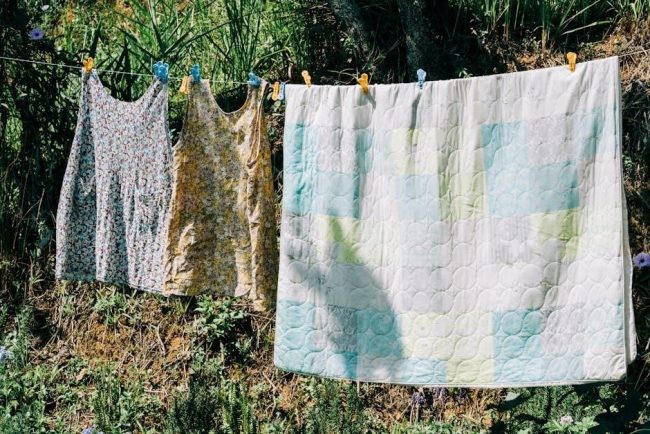
Air drying remains the gentlest and most recommended approach for preserving the integrity of your quilts‚ minimizing stress on fibers and preventing potential shrinkage. Begin by gently reshaping the quilt to its original dimensions while it’s still damp‚ ensuring even distribution of weight. Lay the quilt flat on a clean‚ dry surface‚ such as a large table covered with a white sheet‚ or drape it evenly over a sturdy drying rack.
Avoid direct sunlight‚ as prolonged exposure can cause fading of colors and weaken the fabric. Ensure good air circulation around the quilt to facilitate even drying; a well-ventilated room is ideal. Periodically rotate or flip the quilt to promote uniform drying and prevent mildew. For heavier quilts‚ support the weight adequately to prevent stretching or distortion.
Be patient‚ as air drying can take several days depending on the quilt’s thickness and the ambient humidity. Once completely dry‚ gently fold or roll the quilt for storage‚ avoiding tight creases that could damage the fabric.
Machine Drying Quilts: Low Heat & Precautions
If machine drying is necessary‚ exercise extreme caution to prevent damage. Always use the lowest heat setting – air fluff or delicate – and a gentle cycle. High heat can cause significant shrinkage‚ fabric distortion‚ and damage to batting. Before placing the quilt in the dryer‚ ensure it’s been thoroughly shaken to redistribute the batting and prevent clumping.
Consider adding clean‚ dry towels to the dryer to help absorb moisture and provide cushioning. Check the quilt frequently during the drying process‚ removing it while it’s still slightly damp to finish air drying. Avoid over-drying‚ as this can make the fibers brittle.
Utilizing dryer balls (wool or plastic) can help fluff the quilt and improve drying efficiency‚ but avoid using fabric softener sheets‚ as they can leave a residue and reduce absorbency.
Using Dryer Balls for Fluffing
Dryer balls‚ whether crafted from wool or plastic‚ serve as excellent aids in maintaining quilt loft and enhancing drying efficiency. They work by gently separating the quilt’s layers‚ allowing warm air to circulate more effectively and reducing drying time. Wool dryer balls‚ in particular‚ possess natural moisture-wicking properties‚ further contributing to a quicker and more thorough drying process.
Compared to fabric softener sheets‚ dryer balls offer a residue-free alternative‚ preventing a buildup that can diminish the quilt’s absorbency and overall texture; Using three to six dryer balls is generally recommended for a standard-sized quilt‚ ensuring adequate separation and fluffing. Regularly inspect the dryer balls for wear and tear‚ replacing them as needed to maintain optimal performance.
They are a safe and effective way to restore volume and softness to quilts after washing‚ contributing to their long-term preservation.
Specific Quilt Types & Their Care
Distinct quilt eras – vintage‚ antique‚ and modern – necessitate tailored care approaches due to varying fabrics‚ construction‚ and durability; gentle handling is paramount.
Vintage Quilt Care: Handling Delicate Fabrics
Vintage quilts‚ often treasured heirlooms‚ require exceptionally gentle care due to their age and the delicate nature of their fabrics. These quilts are frequently constructed from lightweight materials and feature intricate‚ hand-sewn details‚ making them particularly vulnerable to damage. Avoid harsh detergents and vigorous washing methods‚ as these can weaken the fibers and cause irreversible harm.
Hand washing is generally the safest option for vintage quilts‚ using cool water and a pH-neutral soap specifically designed for delicate textiles. Support the quilt’s weight during washing to prevent stretching or distortion. When drying‚ lay the quilt flat on a clean‚ dry surface or hang it carefully‚ avoiding direct sunlight which can cause fading.
Regular inspection for loose seams or fragile areas is crucial. Minor repairs should be addressed promptly by a skilled quilter or conservator to prevent further deterioration. Proper storage‚ away from pests and moisture‚ is also essential for preserving these precious pieces for future generations.
Antique Quilt Care: Preservation & Restoration
Antique quilts‚ representing significant historical and artistic value‚ demand a preservation-focused approach rather than routine cleaning. These quilts‚ often exceeding a century in age‚ are incredibly fragile and susceptible to damage from even gentle handling. Prioritize minimizing intervention and focusing on stabilizing the quilt’s existing condition.
Avoid washing antique quilts unless absolutely necessary‚ as water can weaken already delicate fibers. If cleaning is essential‚ consult a professional textile conservator experienced in antique quilt restoration. They can assess the quilt’s materials and construction to determine the safest cleaning method.
Storage is paramount; use acid-free materials and ensure a stable environment with controlled temperature and humidity. Consider professional conservation treatments for significant damage‚ such as re-stitching loose seams or reinforcing weakened areas. Remember‚ the goal is to preserve the quilt’s integrity and historical significance for years to come.
Modern Quilt Care: Durable Fabrics & Techniques
Modern quilts‚ crafted with contemporary fabrics and techniques‚ generally offer greater resilience and ease of care compared to antique counterparts. However‚ diligent maintenance remains crucial for preserving their vibrant colors and structural integrity. High-quality cottons and polyester blends commonly used in modern quilting withstand more frequent washing‚ but precautions are still necessary.
Machine washing is typically suitable‚ utilizing a gentle cycle and cool water with a mild detergent specifically designed for colors. Avoid harsh chemicals or bleach‚ which can fade fabrics. Tumble drying on low heat or air drying is recommended to prevent shrinkage and maintain the quilt’s shape.
Regularly inspect seams for any loosening and address them promptly with careful re-stitching. Proper storage‚ away from direct sunlight and moisture‚ will further extend the life of your modern quilt‚ ensuring its beauty endures for years.
Addressing Common Quilt Issues
Promptly addressing loose seams‚ stains‚ or fading preserves a quilt’s beauty; careful repair and targeted stain removal techniques are essential for long-term enjoyment.
Repairing Loose Seams & Stitching
Addressing loose seams promptly prevents further damage and maintains the quilt’s structural integrity. For minor repairs‚ a needle and thread matching the original quilting stitches are ideal. Employ a small‚ neat stitch‚ following the existing quilting pattern as closely as possible. When re-stitching‚ avoid pulling the thread too tightly‚ which can cause puckering.
For more significant seam separations‚ consider using a fabric adhesive to temporarily hold the fabric in place before stitching. This provides stability and ensures a cleaner repair. If the original fabric is fragile‚ reinforce the area with a small patch of similar fabric applied to the back of the quilt.
When dealing with damaged stitching‚ carefully remove the old thread and re-stitch using a matching color and weight. Pay attention to the stitch length and tension to maintain the original appearance. Regularly inspecting your quilts for loose seams and addressing them quickly will significantly extend their lifespan and preserve their cherished beauty.
Removing Stains from Quilts
Tackling stains on quilts requires a gentle approach to avoid damaging the fabric or fading colors. Immediate action is crucial; blot‚ don’t rub‚ to prevent spreading. Identify the stain type – oil-based or water-based – to select the appropriate treatment. For fresh water-based stains‚ gently blot with a clean‚ damp cloth‚ working from the outside in.
Oil-based stains demand a different strategy. Apply a small amount of cornstarch or baking soda to absorb the oil‚ let it sit for several hours‚ then gently brush it away. Avoid harsh chemicals or bleach‚ as these can cause irreversible damage. Test any cleaning solution on an inconspicuous area first.
If the stain persists‚ consider professional cleaning. Remember‚ patience and a delicate touch are key to successfully removing stains and preserving the integrity of your treasured quilt.
Dealing with Oil-Based Stains
Oil-based stains on quilts present a unique challenge‚ demanding a careful and absorbent approach. Immediately address the stain by gently blotting away any excess oil with a clean‚ soft cloth – avoid rubbing‚ which can spread the stain and embed it deeper into the fibers. The next step involves applying a dry absorbent powder‚ such as cornstarch‚ baking soda‚ or talcum powder‚ directly onto the affected area.
Allow the powder to sit for several hours‚ or even overnight‚ to draw out the oil. Gently brush away the powder‚ revealing the treated stain. Repeat this process if necessary. Avoid using water or liquid detergents initially‚ as these can set the oil stain.
For stubborn oil stains‚ a specialized stain remover designed for delicate fabrics may be considered‚ but always test it in an inconspicuous area first to ensure colorfastness.
Treating Water-Based Stains
Water-based stains on quilts‚ like juice or coffee‚ require prompt attention to prevent permanent discoloration. Begin by blotting the stain immediately with a clean‚ white cloth‚ working from the outside in to avoid spreading. Avoid rubbing vigorously‚ as this can damage the quilt’s fibers. For fresh stains‚ gently flush the area with cool water‚ again blotting to remove the liquid.
If the stain persists‚ create a mild cleaning solution using a small amount of gentle detergent mixed with cool water. Apply the solution to a clean cloth and gently blot the stain. Rinse thoroughly with cool water‚ ensuring all detergent residue is removed.
For older or stubborn water-based stains‚ a diluted solution of white vinegar and water may be effective‚ but always test in an inconspicuous area first.
Preventing Fading & Color Loss
To preserve the vibrant colors of your quilts‚ minimizing exposure to direct sunlight is paramount. UV rays are a primary cause of fading‚ so storing or displaying quilts away from windows is crucial. When washing‚ use a color-safe detergent specifically designed for delicate fabrics‚ and avoid harsh chemicals like bleach‚ which can strip dyes.
Consider using a UV protectant spray‚ testing it first on a hidden area to ensure compatibility. Rotate your quilts periodically if displayed‚ to distribute light exposure evenly. Proper storage also plays a vital role; acid-free tissue paper can help prevent color transfer and fading when quilts are folded or stored in containers.
Regular gentle cleaning‚ rather than infrequent harsh cleaning‚ helps remove dust and grime that can contribute to color dullness.
Quilt Storage: Long-Term Preservation
Proper folding and breathable storage containers‚ like cotton‚ protect quilts; safeguard against pests and moisture for lasting beauty‚ ensuring future enjoyment of treasured heirlooms.
Proper Folding Techniques
Folding quilts correctly minimizes stress on seams and fabrics‚ preventing permanent creases or damage over time. Begin by laying the quilt flat on a clean‚ spacious surface. Gently fold the quilt in half‚ lengthwise‚ ensuring the edges align neatly. Repeat this process‚ folding in half again‚ and then potentially a third time‚ depending on the quilt’s size and your storage space.
Avoid tightly rolling or cramming quilts into small spaces‚ as this can distort their shape and weaken the fibers. Instead‚ opt for loose folds that allow the fabric to breathe. Rotate the fold lines periodically – every six months is ideal – to prevent permanent creases from forming in the same areas. This simple practice distributes the weight and stress more evenly across the quilt‚ contributing significantly to its long-term preservation. Remember‚ gentle handling is paramount!
Storage Containers & Materials
Selecting appropriate storage containers is crucial for protecting quilts from dust‚ light‚ pests‚ and moisture. Breathable cotton or linen bags are excellent choices‚ allowing air circulation while shielding the quilt. Avoid plastic bags or containers‚ as they can trap moisture and promote mildew growth. Acid-free boxes are another viable option‚ providing a stable environment and protection from light.
When using boxes‚ line them with unbleached muslin or cotton sheeting. Never use cedar chests or mothballs‚ as the oils can damage the fabric over time. Ensure the storage area is cool‚ dry‚ and dark‚ away from direct sunlight and fluctuating temperatures. Regularly inspect stored quilts for signs of pests or damage‚ addressing any issues promptly to prevent further deterioration. Proper storage extends a quilt’s life significantly.
Protecting Quilts from Pests & Moisture
Safeguarding quilts from pests and moisture is paramount for long-term preservation. Moths and other insects can cause irreparable damage to fabric‚ while moisture fosters mildew and rot. Regularly inspect quilts‚ especially those in storage‚ for signs of infestation – look for small holes or webbing. Avoid using mothballs or cedar‚ as their oils can harm the fabric over time.
Instead‚ maintain a clean storage environment and consider using lavender sachets or herbal repellents. Proper ventilation is key; ensure quilts are thoroughly dry before storing them. Control humidity levels in the storage area‚ ideally below 65%. Store quilts in breathable containers like cotton or linen bags‚ never plastic‚ to allow air circulation. Consistent monitoring and preventative measures are vital for protecting these treasured heirlooms.

Professional Quilt Cleaning Services
For delicate or heavily soiled quilts‚ professional cleaning is advisable; experts possess specialized knowledge and gentle techniques to restore and preserve these treasured textiles.
When to Seek Professional Help
Determining when a quilt requires professional attention can prevent irreversible damage. If your quilt is a valuable antique‚ exhibits significant staining‚ or features fragile fabrics‚ a professional cleaner specializing in textiles is highly recommended. Attempting to clean these quilts yourself could lead to further deterioration‚ color loss‚ or structural compromise.
Similarly‚ quilts with complex construction‚ intricate embellishments‚ or unusual materials benefit from expert handling. Professionals understand the nuances of different quilt types and employ appropriate cleaning methods to safeguard their integrity. If you’re unsure about the fabric content or construction techniques‚ err on the side of caution and seek professional guidance.
Furthermore‚ large or heavy quilts can be difficult to manage at home‚ potentially straining your washing machine or causing uneven cleaning. A professional service has the equipment and expertise to handle these challenges effectively‚ ensuring a thorough and safe cleaning process.
Finding a Reputable Quilt Cleaner
Locating a qualified quilt cleaner requires careful research. Seek recommendations from quilt guilds‚ antique dealers‚ or textile conservators. Online reviews and testimonials can also provide valuable insights into a cleaner’s reputation and expertise. Prioritize cleaners specializing in antique textiles or heirloom cleaning‚ demonstrating a clear understanding of delicate fabrics and construction.
Inquire about the cleaner’s methods and experience. A reputable cleaner should be able to explain their process in detail‚ outlining the specific techniques they’ll use to clean your quilt. Avoid cleaners who propose harsh chemicals or abrasive cleaning methods‚ as these can damage the fabric and diminish its value.
Confirm the cleaner is insured and bonded‚ protecting your quilt against potential loss or damage during the cleaning process. Request a written estimate outlining the cost of cleaning and any additional services‚ such as repair or restoration. A transparent and professional approach is a hallmark of a trustworthy quilt cleaner.