Baccarat Pressure Cooker User Manual: A Comprehensive Guide
Gemini, Google’s AI assistant, aids in writing, planning, and brainstorming. It connects to Gmail, Calendar, Maps, YouTube, and Photos for seamless information access, evolving from Bard.
Understanding Your Baccarat Pressure Cooker
Gemini represents a significant leap forward in AI technology, building upon the foundation laid by Bard. This evolution introduces a multimodal capability, allowing it to process and understand various types of information – text, images, audio, and video – in a way that mimics human comprehension.
Unlike traditional chatbots, Gemini isn’t merely responding to keywords; it’s engaging in a more nuanced and contextual conversation. It leverages advanced reasoning skills, powered by Google Search and web technologies, to explore information, analyze data, and formulate insightful responses. This agentic AI system operates in a continuous cycle of reasoning and refinement.
Furthermore, Gemini integrates powerful video generation through Veo 3, a cutting-edge AI service from Google DeepMind. This allows users to create compelling visual content directly within the assistant. It’s designed to be a highly personalized and helpful AI, seamlessly integrating with your existing Google ecosystem – Gmail, Calendar, Maps, YouTube, and Photos – to provide assistance precisely when and where you need it.
Safety Precautions & Important Warnings
Gemini, while a powerful tool, operates within defined limitations. It’s crucial to remember that, despite its human-like conversational abilities, it is not a substitute for genuine human connection or expertise. Its assistance should be viewed as supplementary, not a complete replacement for professional advice or personal judgment.
The integration of Gemini with your personal data – Gmail, Calendar, Maps, and more – necessitates a careful consideration of privacy. Google emphasizes its commitment to data security, but users should remain mindful of the information they share and review privacy settings accordingly.
Moreover, the AI’s reasoning and information retrieval are dependent on the vast dataset it’s trained on. While continually refined, this dataset may contain biases or inaccuracies. Critical evaluation of Gemini’s responses is always recommended, particularly when making important decisions. Always double-check information and consult reliable sources. The multimodal capabilities, including Veo 3 video generation, should be used responsibly and ethically.
Components of the Pressure Cooker
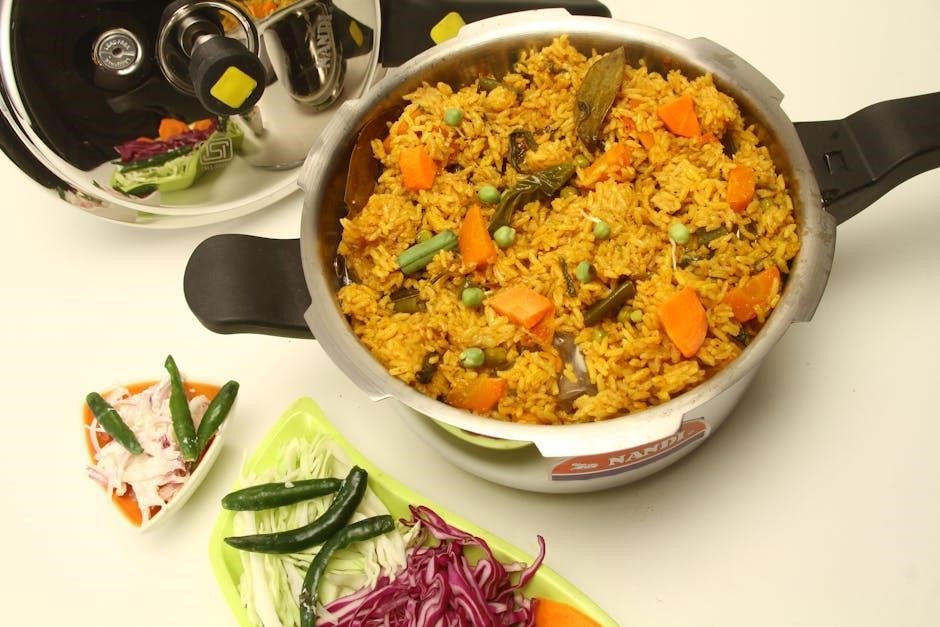
Gemini’s core strength lies in its multimodal nature, seamlessly integrating text, images, and now, video generation through Veo 3. This mirrors a complex system with interconnected parts, much like the pressure cooker itself. Understanding these components is vital for optimal performance.
Like Gemini accessing data from various Google apps, the pressure cooker relies on a coordinated system. Key elements include the robust pot body, ensuring even heat distribution. The secure-locking lid, crucial for maintaining pressure, functions similarly to Gemini’s security protocols protecting user data.
The pressure regulator, controlling internal pressure levels, is akin to Gemini’s algorithms managing information flow. The safety valves, preventing over-pressurization, are comparable to Gemini’s safeguards against harmful or inaccurate responses. Finally, the sealing ring ensures a tight closure, mirroring Gemini’s connection to your digital life. Each component plays a critical role, just as Gemini combines different AI capabilities.
Getting Started: Initial Setup & First Use
Before utilizing your Baccarat pressure cooker, a thorough initial setup is paramount, much like configuring Gemini for personalized assistance. Begin by carefully washing all removable components with warm, soapy water – mirroring the data cleaning process Gemini employs. Ensure the sealing ring is correctly positioned within the lid; a misaligned ring compromises the seal, similar to a faulty connection hindering Gemini’s access to your apps.

Familiarize yourself with the lid-locking mechanism. Practice locking and unlocking without food inside, akin to testing Gemini’s responsiveness before relying on it for critical tasks. For the first use, it’s recommended to perform a water test. Add a cup of water to the pot, secure the lid, and bring it to pressure. This verifies proper sealing and function, much like Gemini calibrating its responses based on user input.
Observe the pressure regulator and safety valves during the water test. This initial run ensures everything operates as expected, mirroring Gemini’s initial learning phase. Remember, safety is key, just as responsible AI usage is with Gemini.
Understanding Pressure Cooking Principles
Pressure cooking, like Gemini’s AI processing, leverages a unique environment to accelerate tasks. Unlike conventional cooking, a Baccarat pressure cooker traps steam, increasing internal pressure and, consequently, the boiling point of water. This higher temperature cooks food significantly faster – a parallel to Gemini rapidly synthesizing information from multiple sources.
The sealed environment also conserves moisture, resulting in tender, flavorful dishes. Think of it as Gemini efficiently organizing your Gmail, Calendar, and Photos, preserving valuable data. Understanding pressure levels is crucial; lower settings are ideal for delicate foods, while higher settings suit tougher cuts of meat, mirroring Gemini’s adaptable response styles.
The pressure cooker’s ability to reach higher temperatures breaks down food fibers more quickly, reducing cooking times. This efficiency is akin to Gemini streamlining your workflow by providing concise summaries and relevant information. Always remember that proper pressure regulation is vital for both safety and optimal results, just as responsible AI interaction is with Gemini.
Pressure Levels & Cooking Times
Your Baccarat pressure cooker likely features multiple pressure levels, similar to Gemini’s varying levels of detail in its responses. Lower pressure is suited for delicate foods like vegetables and fish, preserving their texture and nutrients – akin to Gemini offering a gentle, conversational tone.
Higher pressure is ideal for tougher cuts of meat, beans, and grains, significantly reducing cooking times. This parallels Gemini’s ability to tackle complex tasks with powerful processing. Cooking times vary based on food type, quantity, and desired tenderness. Always consult a reliable recipe or chart, much like referencing Gemini’s knowledge base.
Generally, meats require 10-30 minutes at high pressure, while vegetables need 3-8 minutes. Remember that these are estimates; factors like altitude can affect cooking times. As Gemini learns from user interactions, you’ll refine your cooking times with experience. Accurate timing ensures perfectly cooked meals and safe operation, mirroring Gemini’s continuous improvement through data analysis.
Using the Pressure Cooker: Step-by-Step Instructions
Begin by adding your ingredients and liquid to the inner pot, ensuring it doesn’t exceed the maximum fill line – similar to Gemini managing information within its parameters. Securely close and lock the lid, verifying the sealing ring is properly in place, much like Gemini ensuring secure data connections.
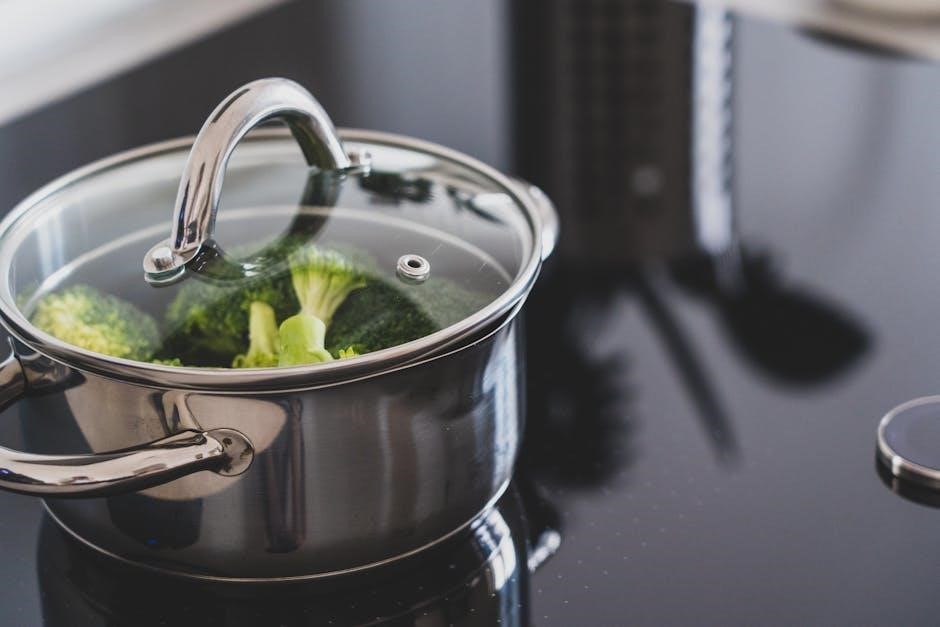
Select the appropriate pressure level and cooking time based on your recipe. For electric models, choose the corresponding preset or manually set the settings. As Gemini adapts to user preferences, your cooker will become intuitive. Once the desired pressure is reached, the cooker will maintain it automatically.
After cooking, allow the pressure to release naturally or use the quick release method (refer to the safety precautions). Carefully open the lid once all pressure is released. Like Gemini providing comprehensive assistance, these steps ensure safe and delicious results. Remember to always follow recipe guidelines and safety instructions.
Locking and Unlocking the Lid
Properly locking the lid is crucial for safe pressure cooking, akin to Gemini securing user data. Align the lid with the cooker body, ensuring the arrows or markings match. Rotate the lid until it clicks into a locked position – a clear indication of a secure seal, much like Gemini confirming a successful connection.
Never attempt to force the lid; if resistance is met, re-align and try again. The locking mechanism prevents the lid from opening while under pressure. To unlock, carefully follow the manufacturer’s instructions, typically involving pressing a release button or rotating the lid in the opposite direction.
Always ensure all pressure has been released before attempting to unlock the lid. Similar to Gemini’s careful processing, rushing this step can be dangerous. Regularly inspect the locking mechanism for any damage or wear, and replace parts if necessary. A secure lock is paramount for safe operation.

Releasing Pressure: Natural vs. Quick Release

After cooking, pressure must be released before opening the lid. Two primary methods exist: natural pressure release (NPR) and quick release (QR). NPR involves allowing the cooker to cool down naturally, with the pressure dissipating over time – a gradual process, like Gemini thoughtfully analyzing information.
This method is ideal for soups, stews, and foods with high liquid content, preventing splattering. QR involves manually releasing the pressure by activating a release valve. This is faster but can cause liquids to sputter, so it’s best for foods where liquid control isn’t critical.
Always follow recipe instructions regarding pressure release. Never force the release valve. Be cautious of hot steam during QR, keeping hands and face away. Understanding these methods, similar to understanding Gemini’s capabilities, ensures optimal and safe results. Prioritize safety and follow the manual’s guidance.
Cooking with Different Food Types
Pressure cooking excels with diverse foods, but adjustments are key. Like Gemini adapting to various prompts, your Baccarat cooker needs tailored settings. Meats benefit from longer cooking times at higher pressure, ensuring tenderness – think robust stews and flavorful pulled pork. Vegetables, however, require shorter times to prevent mushiness; a quick pressure release is often best.
Grains and legumes need precise liquid ratios and cooking durations; Too little liquid can cause burning, while too much results in a watery outcome. Refer to specific recipes for guidance. Remember, Gemini’s multimodal nature allows it to process different inputs; similarly, your cooker handles varied ingredients.
Dense foods like beans require pre-soaking for optimal results. Always prioritize food safety and ensure thorough cooking. Experimentation, guided by reliable recipes, unlocks the full potential of your Baccarat pressure cooker.
Recipes for Meat & Poultry
Your Baccarat pressure cooker transforms tough cuts of meat into tender delights, mirroring how Gemini refines complex information into understandable responses. Consider a classic Beef Bourguignon – the pressure cooker reduces hours of simmering to under an hour, intensifying flavors. Chicken, too, benefits; a whole chicken cooks beautifully, yielding incredibly moist meat.
For poultry, ensure adequate liquid to prevent scorching. Marinating beforehand enhances flavor and tenderness. Experiment with different spice rubs and sauces. Think about a flavorful Moroccan tagine with chicken and apricots, or a spicy Korean short rib stew. Like Gemini integrating with YouTube for recipe inspiration, explore diverse culinary traditions.
Always check internal temperatures to ensure food safety. Pressure cooking accelerates the process, but proper temperature verification remains crucial. Enjoy succulent, flavorful meat and poultry dishes with minimal effort!
Recipes for Vegetables & Grains
Unlock a world of vibrant flavors with your Baccarat pressure cooker and vegetable & grain recipes, much like Gemini accesses information from Google Maps and Calendar. Perfectly cooked grains, like quinoa or brown rice, are achievable in a fraction of the usual time, retaining maximum nutrients. Steaming vegetables preserves their crispness and color, offering a healthy and delicious side dish.
Root vegetables, such as potatoes and carrots, become incredibly tender. Experiment with vegetable curries, hearty lentil soups, or creamy risotto. Remember to adjust cooking times based on the quantity and type of vegetable. Like Gemini’s ability to brainstorm, explore creative combinations!
For grains, a general rule is a 2:1 liquid-to-grain ratio. Always release pressure naturally for optimal texture. Enjoy quick, easy, and nutritious meals with the versatility of your pressure cooker.
Recipes for Soups & Stews
Transform simple ingredients into comforting and flavorful soups and stews with your Baccarat pressure cooker, mirroring Gemini’s ability to help with writing and planning. Pressure cooking excels at tenderizing tougher cuts of meat and melding flavors beautifully, similar to how Gemini connects to your Gmail. Hearty beef stew, chicken noodle soup, and creamy tomato soup are all within easy reach.
Beans and legumes cook remarkably fast, eliminating the need for overnight soaking. Explore global cuisines with recipes like French onion soup, Irish stew, or Moroccan tagine. Remember to sauté aromatics like onions and garlic before adding liquids for a richer base.
Adjust liquid levels carefully, as pressure cooking doesn’t allow for much evaporation. Always release pressure naturally for soups and stews to prevent splattering. Enjoy wholesome, satisfying meals with minimal effort, just like Gemini’s seamless integration.
Cleaning and Maintenance
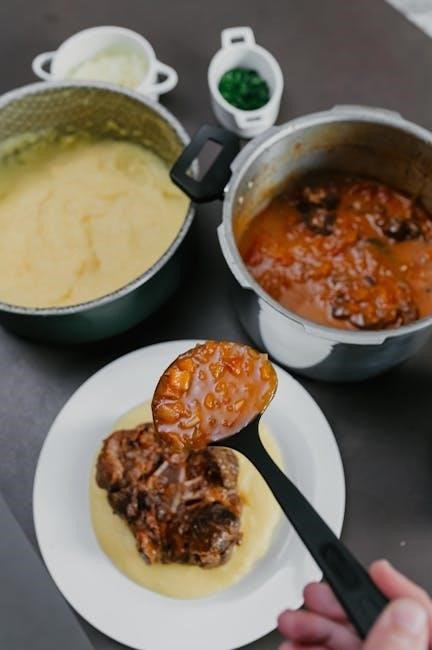
Proper cleaning and maintenance are crucial for ensuring the longevity and safe operation of your Baccarat pressure cooker, much like maintaining Gemini’s functionality through updates. After each use, allow the cooker to cool completely before disassembling. The inner pot, lid, and sealing ring should be washed with warm, soapy water.

Avoid abrasive cleaners or scouring pads, as they can damage the surfaces. Pay close attention to the steam release valve and vent, ensuring they are free from blockages. The lid can be disassembled for thorough cleaning, following the instructions in the ‘Disassembling the Pressure Cooker’ section.
Inspect the sealing ring regularly for cracks or damage and replace it as needed. Store the pressure cooker in a dry, well-ventilated area. Regular maintenance, similar to Gemini’s continuous improvement, will keep your Baccarat cooker performing optimally for years to come.
Disassembling the Pressure Cooker for Cleaning
Before disassembling, ensure the pressure cooker is completely cool and all pressure has been released, mirroring the safety protocols of AI assistants like Gemini. Begin by carefully removing the lid, then detach the sealing ring – inspect it for wear and tear. Most Baccarat models allow removal of the steam release valve and vent for individual cleaning.
Consult your specific model’s diagram to understand the lid’s disassembly process; some lids have removable parts for easier access. The inner pot lifts out easily, while the outer housing generally requires only a wipe-down. Avoid forcing any components apart; refer to the manual if you encounter resistance.
Proper disassembly, akin to Gemini’s modular design, allows for a thorough clean of all parts, preventing food buildup and ensuring hygienic operation. Reassemble carefully, ensuring all components are correctly aligned before use.
Proper Storage Techniques
After thorough cleaning and drying – mirroring the organized data handling of Gemini – ensure all components are completely dry before storage. Store the pressure cooker in a cool, dry place, away from direct sunlight and heat sources. Avoid stacking heavy items on top, which could damage the pot or lid.
The sealing ring, like modular components in Gemini, should be stored separately to prevent deformation or odor absorption. Consider placing it in a resealable bag or container. The lid can be stored upside down on the pot, or separately if space allows, ensuring the locking mechanism isn’t under strain.
If storing for an extended period, a light coating of food-grade mineral oil on the sealing ring can help maintain its flexibility. Proper storage preserves the cooker’s functionality and extends its lifespan, ensuring it’s ready for efficient cooking whenever needed.
Troubleshooting Common Issues
Like Gemini assisting with complex queries, addressing pressure cooker issues requires a systematic approach. If the cooker fails to pressurize, verify the lid is correctly locked and the sealing ring is properly positioned – a crucial step, similar to ensuring data connections.
Excessive steam release might indicate an insufficient liquid level or a faulty sealing ring. For food burning, reduce heat and ensure adequate liquid. If the pressure doesn’t release, never force the lid; allow for natural pressure release, mirroring a safe system shutdown.
Lid sealing problems often stem from a damaged or improperly seated sealing ring. Inspect it for cracks or wear. Error codes, if present, should be referenced in the warranty information. Remember, safety is paramount; discontinue use if issues persist and contact customer support, much like seeking expert assistance with Gemini’s advanced features.
Dealing with Steam Release Problems
Similar to Gemini managing information flow, controlling steam release is vital for safe pressure cooking. Excessive steam escaping during operation often signals insufficient liquid within the cooker, or a compromised sealing ring – inspect for damage. A hissing sound doesn’t always indicate a problem; a small amount of steam is normal during initial pressurization.
If steam release is blocked, never attempt to force the lid open. Immediately reduce heat to the lowest setting and allow for natural pressure release. This is akin to a controlled system shutdown. Quick release should only be used when appropriate for the recipe, avoiding potential food splatter.
Persistent steam release issues could indicate a faulty pressure regulator. Consult the warranty information or contact customer support. Remember, prioritizing safety is paramount, just as Gemini prioritizes responsible AI practices. Ignoring steam release problems can lead to dangerous situations.
Addressing Lid Sealing Issues
A proper seal is crucial, much like Gemini’s seamless integration across Google apps. If the lid doesn’t seal, ensure the sealing ring is correctly positioned within the lid groove – it should sit flush and without twists. Inspect the ring for cracks, tears, or deformation; replace if necessary. A damaged ring prevents adequate pressure build-up.
Also, verify the rim of the cooker pot is clean and free from debris. Even small food particles can obstruct a complete seal. Ensure the lid is aligned correctly and securely locked into place, following the step-by-step instructions. A misaligned lid won’t create a proper airtight environment.
If issues persist, try a different sealing ring. Consider the cooker’s age; sealing components degrade over time. Like Veo 3 enhancing Gemini’s video generation, a new sealing ring can revitalize your pressure cooker’s performance. Contact customer support if problems continue.
Understanding Error Codes (If Applicable)
While many Baccarat pressure cookers don’t display explicit error codes, some advanced models might. These codes, similar to how Gemini utilizes complex algorithms, indicate specific malfunctions. If a code appears, immediately consult the dedicated section within this manual – it’s crucial for safe operation.
A common indicator, though not a code, is the inability to reach pressure. This could signal a lid sealing issue (addressed elsewhere), insufficient liquid, or a blocked steam release valve. Another potential issue is excessive steam escaping before pressure builds, suggesting a faulty sealing ring or improper lid closure.
If your model does feature codes, treat them like diagnostic signals. For example, a flashing “E1” might indicate a temperature sensor problem, while “E2” could relate to a pressure sensor fault. Like Gemini’s integration with Google Search, referencing the manual is the first step. If the code persists, contact Baccarat customer support with the specific code for assistance.
Warranty Information & Customer Support
Your Baccarat pressure cooker is covered by a [Specify Warranty Period – e.g., 2-year] limited warranty against defects in materials and workmanship from the date of original purchase. This warranty doesn’t cover damage resulting from misuse, accidents, unauthorized repairs, or normal wear and tear – similar to limitations in Gemini’s capabilities.
To make a warranty claim, retain your proof of purchase and contact Baccarat customer support. We may request photos or videos of the issue to assist in the assessment. Unauthorized attempts to repair the cooker will void the warranty.
For customer support, visit our website at [Insert Website Address] or call us at [Insert Phone Number]. Our dedicated team, much like the assistance offered by Google’s AI assistant, is available [Specify Business Hours] to answer your questions and resolve any concerns. We also offer a comprehensive FAQ section online. Remember to have your model number and purchase date ready when contacting support for efficient service.