Manual RV Leveling Jacks: A Comprehensive Guide (Updated 03/05/2026)
Jeep’s retro two-tone Gladiator, available for a mere $495, showcases exciting customization options, mirroring the growing trend of personalized vehicle aesthetics and upgrades.
What are Manual RV Leveling Jacks?
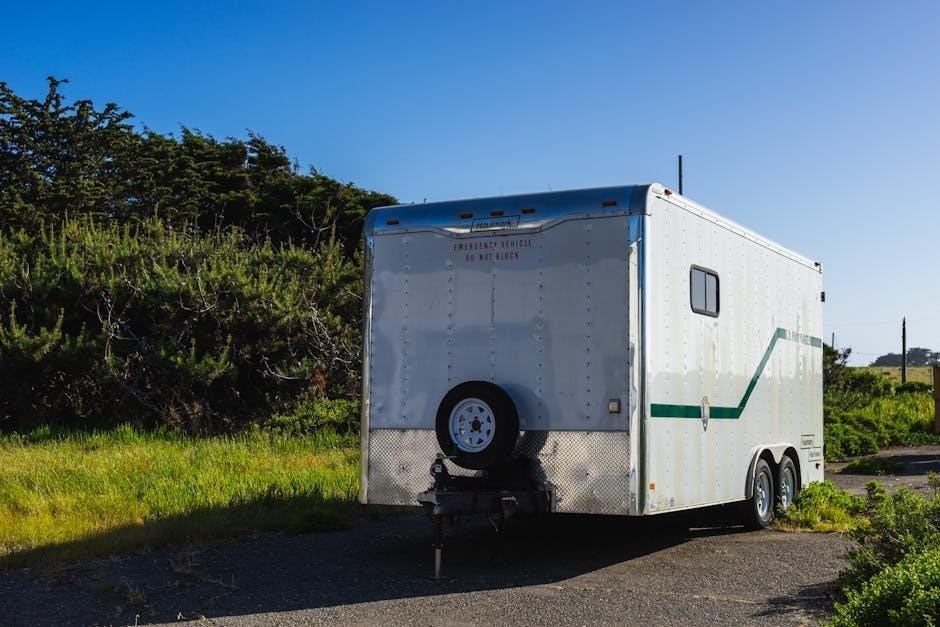
Manual RV leveling jacks are essential components for stabilizing and leveling recreational vehicles at campsites. Unlike automatic systems, these jacks rely on physical effort – typically using a crank or handle – to raise and lower the RV’s frame. They counteract uneven terrain, ensuring a comfortable and safe camping experience.
These jacks are positioned at each corner of the RV and provide support by transferring the vehicle’s weight to the ground. They prevent rocking and shifting, crucial for interior comfort and preventing damage to appliances and structural components. The recent Jeep Gladiator customization highlights the desire for personalized vehicle solutions, mirroring the need for tailored RV setups. Choosing the right jacks depends on RV weight and typical camping locations.
Types of Manual RV Leveling Jacks
Several types of manual RV leveling jacks cater to different needs and budgets. Scissor jacks are a common, affordable option, utilizing a folding, scissor-like mechanism for lifting. Bottle jacks, resembling those used for cars, offer higher lifting capacity in a compact form.
Stacking blocks, made of wood or durable plastic, provide incremental height adjustments and are often used in conjunction with jacks to fine-tune leveling. The Jeep Gladiator’s customization options demonstrate a similar principle – offering varied solutions for individual preferences. Each type has pros and cons regarding stability, ease of use, and weight capacity, influencing the overall leveling process and campsite setup.
Scissor Jacks
Scissor jacks represent a popular and economical choice for manual RV leveling, prized for their simplicity and relatively lightweight design. They operate by utilizing a screw mechanism that expands or contracts a pair of interlocking supports, resembling scissors opening or closing.

Like Jeep’s customizable Gladiator, scissor jacks offer a straightforward solution, though they typically require more cranking to achieve the desired height. Stability can be a concern on soft ground, necessitating the use of baseplates. Regular maintenance, including lubrication, is crucial to prevent sticking and ensure smooth operation. They are best suited for lighter RVs and relatively level terrain, providing a basic yet effective leveling solution.

Bottle Jacks
Bottle jacks offer a robust and powerful alternative for manual RV leveling, utilizing hydraulic force to lift substantial weight with minimal effort. These jacks feature a cylindrical body containing a piston that extends when pumped, providing significant lifting capacity in a compact form factor.
Similar to Jeep’s attention to detail in the Gladiator’s design, bottle jacks provide a focused lifting solution. However, they have a limited height range and require careful placement due to their concentrated lifting point. A stable base is essential, and using a leveling block is highly recommended. While durable, they require periodic inspection for leaks and proper maintenance to ensure reliable performance, making them ideal for heavier RVs.
Stacking Blocks (Wood or Plastic)
Stacking blocks, constructed from either durable wood or resilient plastic, represent a simple and cost-effective method for achieving RV leveling, particularly for minor inclines. These blocks are placed under the RV’s tires or leveling jacks to incrementally raise the vehicle to a level position.
Much like Jeep’s customization options for the Gladiator, stacking blocks offer adaptable solutions. Wood blocks are affordable but susceptible to rot, while plastic blocks are more durable and weather-resistant. Combining blocks of varying heights allows for precise adjustments. Always ensure blocks are securely positioned and capable of supporting the RV’s weight, preventing shifting during occupancy. They are best used in conjunction with leveling jacks for optimal stability.

Understanding the Importance of RV Leveling
Jeep’s Gladiator’s aesthetic appeal highlights the importance of a solid foundation; similarly, RV leveling ensures stability, comfort, and proper appliance function during travel.
Why Leveling Your RV is Crucial
Maintaining a level RV isn’t merely about comfort; it’s fundamentally linked to the proper operation of essential appliances. Refrigerators, for instance, rely on consistent leveling to function efficiently, preventing compressor damage and food spoilage. Similarly, RV stoves and ovens require a level surface to ensure even cooking and prevent gas leaks.
Beyond appliances, leveling significantly impacts the functionality of interior features like slide-outs. Uneven surfaces can strain slide-out mechanisms, leading to costly repairs. Furthermore, a level RV enhances the overall living experience, preventing items from rolling around and ensuring a restful night’s sleep. Just as Jeep focuses on vehicle stability, RV leveling prioritizes a secure and functional living space.
Safety Concerns of an Unlevel RV
An unlevel RV presents several significant safety hazards, extending beyond mere inconvenience. The most pressing concern is the potential for unstable furniture and unsecured objects to shift during travel or even while stationary, causing injury to occupants. This is akin to the stability Jeep engineers prioritize in the Gladiator.
Furthermore, an unlevel RV can compromise the structural integrity of the vehicle itself, particularly the slide-out mechanisms and the roof. Over time, this can lead to cracks, leaks, and even catastrophic failure. Gas lines are also vulnerable, increasing the risk of leaks and potential fires. Prioritizing leveling isn’t just about comfort; it’s a crucial safety measure for you and your fellow travelers.
Choosing the Right Manual Leveling Jacks for Your RV
Selecting the ideal jacks requires careful consideration of your RV’s weight, size, and the terrain you’ll encounter, much like Jeep’s Gladiator options.
Weight Capacity Considerations
Determining the correct weight capacity is paramount when selecting manual RV leveling jacks. Exceeding a jack’s rated capacity can lead to catastrophic failure, posing significant safety risks. Begin by calculating your RV’s Gross Vehicle Weight Rating (GVWR) – this figure encompasses the unloaded vehicle weight plus the weight of all passengers, cargo, and fluids.
Crucially, you don’t need jacks that collectively match the total GVWR. Typically, leveling jacks support a portion of the RV’s weight, not the entire load. A general rule of thumb is to choose jacks capable of handling at least 25% of the RV’s weight, distributed across all jack points.
However, consider uneven weight distribution within your RV. If you consistently carry heavy items in specific areas, you may need higher-capacity jacks on those sides. Always err on the side of caution and select jacks with a safety margin, similar to how Jeep offers robust options for the Gladiator.
RV Size and Jack Reach
The size of your RV directly influences the required reach of your manual leveling jacks. Larger, heavier RVs generally necessitate jacks with greater extension capabilities to accommodate uneven terrain. Measure the distance from your RV’s frame to the ground at its highest and lowest points when parked on typical campsites. This measurement will provide a baseline for the minimum jack reach needed.
Consider the potential for future campsites with more challenging ground conditions. Having a bit of extra reach provides flexibility and prevents the frustration of insufficient jack extension.
Like Jeep’s Gladiator customization options, selecting the right jack reach is about anticipating needs. Jacks come in various extension lengths; ensure the chosen jacks can comfortably bridge the gap between your RV and the ground, even on sloped surfaces. Prioritize stability and avoid overextending jacks beyond their recommended limits.
Ground Condition Compatibility
Manual RV leveling jacks perform best on firm, stable ground. Soft soil, sand, or mud can compromise stability, causing jacks to sink or shift, potentially damaging the jack or RV frame. Always assess the ground before setup; if it’s questionable, utilize leveling blocks or jack pads to distribute weight and provide a solid base.
Similar to Jeep’s Gladiator adapting to various terrains, your leveling system must also be versatile. Wide jack feet or specialized pads increase surface area, reducing ground pressure. Avoid placing jacks directly on asphalt or concrete without protective pads to prevent damage to both surfaces.
Consider the climate; frozen ground can be as problematic as soft ground. Proper preparation and appropriate accessories are crucial for safe and effective leveling in diverse conditions.
Installation and Setup of Manual Leveling Jacks
Jeep’s Gladiator customization highlights the importance of proper installation; similarly, secure jack mounting and understanding your RV’s frame are essential for safe leveling.
Preparing the Ground

Before deploying your manual RV leveling jacks, meticulous ground preparation is paramount for stability and safety. Avoid soft or yielding surfaces like loose dirt, sand, or wet grass, as these can cause the jacks to sink or shift under the RV’s weight.
Ideally, position your RV on a firm, level surface such as gravel, asphalt, or concrete. If the ground is uneven, use leveling blocks – wooden or plastic – under the jack pads to distribute the load and provide a solid base.
Clear the area around each jack point of any obstructions like rocks, roots, or debris. This ensures proper jack placement and prevents damage to the jack mechanism. Remember, a stable foundation is the first step towards a perfectly leveled RV, mirroring the secure mounting needed for Jeep’s Gladiator customizations.
Proper Jack Placement
Accurate jack placement is crucial for safe and effective RV leveling. Consult your RV’s owner’s manual to identify the designated jack points – these are reinforced areas of the chassis designed to support the vehicle’s weight.
Position the jacks as close to the wheels as possible, ensuring they are perpendicular to the ground. Avoid placing jacks directly under suspension components or body panels. Extend the jack footplates fully to maximize stability and distribute the load.
Like Jeep’s attention to detail with the Gladiator’s two-tone look, precision matters. Double-check that each jack is firmly seated on a stable surface, whether directly on the ground or on a leveling block. Incorrect placement can lead to instability, damage to the RV, or even jack failure.
Using Leveling Blocks in Conjunction with Jacks
Leveling blocks are invaluable when dealing with uneven terrain, extending the reach of your manual jacks and providing a more stable base. Place the blocks under the jack footplates, ensuring they are securely stacked and interlocked if using interlocking sets.
Similar to Jeep’s customization options for the Gladiator, leveling blocks offer adaptability. Use enough blocks to reach the ground without overextending the jack. Avoid excessive stacking, as it can compromise stability. Always use blocks rated for the weight of your RV.
Combine blocks with jacks for optimal leveling. This method distributes weight more evenly and prevents the jacks from sinking into soft ground, enhancing safety and stability during your camping experience.
Step-by-Step Leveling Procedure with Manual Jacks
Jeep’s Gladiator’s retro look inspires attention to detail; similarly, methodical leveling is key—start with front-to-back, then side-to-side, using a level consistently.
Front-to-Back Leveling
Initiating the front-to-back leveling process requires careful observation. Begin by identifying which end of the RV is higher. If the front is elevated, extend the rear jacks incrementally, checking the level frequently. Conversely, if the rear is higher, extend the front jacks in small adjustments.
Remember, patience is crucial; avoid overextending any single jack. Utilize a bubble level placed inside the RV – ideally spanning the cabin’s length – or a leveling app on your smartphone for accurate readings. Jeep’s Gladiator customization demonstrates precision; apply the same principle here. Small, consistent adjustments are far more effective than large, sudden ones. Continue until the RV is level from front to back, ensuring a comfortable and safe camping experience.
Side-to-Side Leveling
Achieving side-to-side leveling demands a similar methodical approach. Determine which side of the RV requires lifting. Extend the jack on the lower side in small increments, consistently monitoring the level. Jeep’s attention to detail with the Gladiator’s two-tone look mirrors the precision needed here.
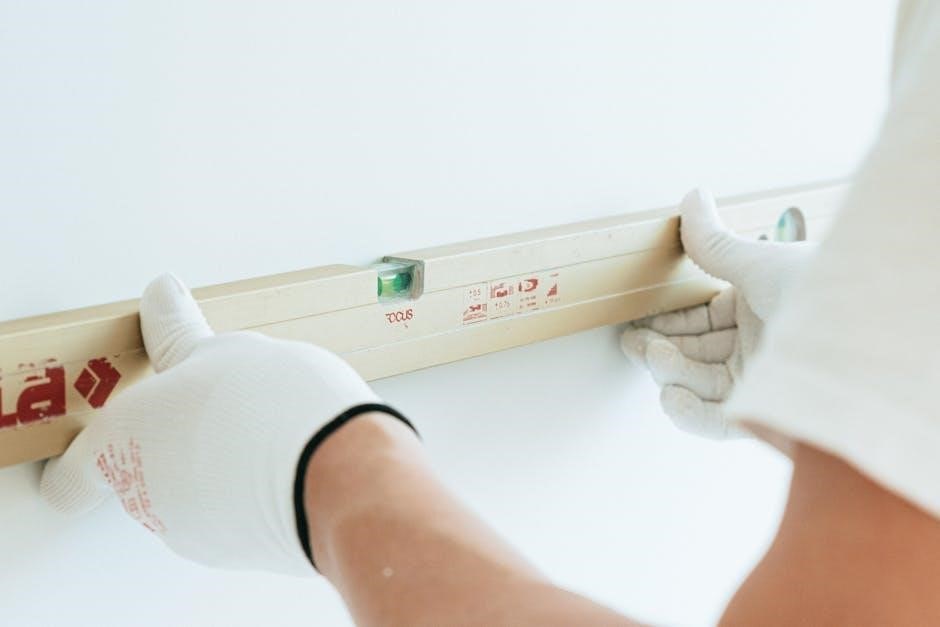
Employ a bubble level, positioned across the RV’s width, or a leveling app to gauge progress. Avoid raising one side excessively, as this can compromise stability. Frequent checks are vital. Remember that ground conditions can vary, potentially requiring adjustments to jack placement. Continue making minor adjustments until the RV is perfectly level from side to side, ensuring a secure and enjoyable camping setup. Prioritize safety and stability throughout the process.
Using a Leveling App or Bubble Level
Accuracy is paramount when leveling, and tools like bubble levels or leveling apps are indispensable. A traditional bubble level, placed inside the RV, provides a visual indication of tilt. Jeep’s meticulous two-tone paint application on the Gladiator demands precision, much like achieving perfect RV level.
Leveling apps, utilizing your smartphone’s sensors, offer digital readouts and often include features like auto-leveling suggestions. Regardless of the method, consistently check multiple points within the RV – kitchen counters, beds, and seating areas – to confirm uniformity. Small discrepancies can significantly impact comfort. Trust your chosen tool and make incremental adjustments to the leveling jacks until a perfectly level state is achieved and maintained throughout your stay.
Maintenance and Troubleshooting of Manual RV Leveling Jacks
Jeep’s Gladiator’s retro look requires upkeep, similarly, jacks need regular inspection, lubrication, and addressing issues like sticking or bending for optimal performance.
Regular Inspection and Lubrication

Consistent maintenance dramatically extends the lifespan of your manual RV leveling jacks. Begin with a thorough visual inspection before each use, checking for any signs of rust, bending, or damage to the jack’s body, gears, or footplate. Pay close attention to weld points and any moving parts.
Lubrication is equally vital. Apply a high-quality grease – lithium-based is often recommended – to all moving parts, including the screw threads of scissor jacks or the piston of bottle jacks. This reduces friction, prevents corrosion, and ensures smooth operation. Wipe away any excess grease to avoid attracting dirt and debris.
Jeep’s Gladiator’s aesthetic appeal benefits from consistent care; similarly, regular jack maintenance guarantees reliable leveling and prevents costly repairs down the road, ensuring safe and enjoyable camping experiences.
Addressing Common Jack Issues (Sticking, Bending)
Sticking jacks often result from accumulated dirt or lack of lubrication. Thorough cleaning and re-greasing are usually the first steps. If the jack remains stubborn, penetrating oil can help loosen corroded parts. Bending, however, is a more serious concern, often indicating overloading or uneven weight distribution.
Never attempt to straighten a bent jack; it compromises its structural integrity. Replacement is the only safe option. For scissor jacks, inspect the cross members for buckling. Bottle jacks should be checked for leaks or damage to the piston.
Jeep’s Gladiator, with its robust design, still requires attentive maintenance; similarly, promptly addressing jack issues prevents further damage and ensures continued safe and stable RV leveling during your travels.
Winterization and Storage
Proper winterization safeguards your manual RV leveling jacks against corrosion and damage during prolonged periods of inactivity. Begin by thoroughly cleaning all jacks, removing dirt, debris, and any residual grease. Apply a generous coating of rust preventative lubricant to all moving parts and exposed metal surfaces.
Retract the jacks fully and store them in a dry, protected location, away from extreme temperatures and moisture. For scissor jacks, consider covering them to prevent dust accumulation. Jeep’s Gladiator, prepared for winter with care, mirrors the need to protect your leveling equipment.
Regular inspection before and after storage ensures longevity and reliable performance when you’re ready to hit the road again.