
Article Plan: Saint Augustine Prayer Book PDF
This article delves into the digital accessibility of Saint Augustine’s Prayer Book, exploring its historical roots, theological underpinnings, and practical application. We’ll examine PDF availability,
legality, and device compatibility, alongside online communities fostering discussion.
Furthermore, the guide will cover free versus paid options, Kindle compatibility, and the enduring relevance of these ancient prayers in modern spiritual practice.
In an increasingly digital world, the timeless wisdom of the saints remains remarkably accessible. The Saint Augustine’s Prayer Book, a cornerstone of Christian devotion, is no exception. Its availability in PDF format has broadened its reach, offering a convenient and affordable way to engage with centuries-old prayers and spiritual disciplines.

This book isn’t merely a collection of words; it’s a pathway to a deeper relationship with God, rooted in the rich theological tradition of one of Christianity’s most influential thinkers. The digital format allows for easy searching, annotation, and portability, making it ideal for both personal and communal use.
Whether you’re a seasoned spiritual seeker or just beginning your journey, this guide will explore the significance of the Saint Augustine’s Prayer Book, its historical context, and the practical benefits of utilizing the PDF version. We will navigate the landscape of online resources, addressing legality, copyright, and the various platforms where you can download and enjoy this invaluable resource. Ultimately, this exploration aims to demonstrate the enduring relevance of Augustine’s prayers in the 21st century.
What is the Saint Augustine Prayer Book?
The Saint Augustine’s Prayer Book is a compilation of prayers, devotions, and spiritual practices deeply influenced by the writings and theology of Saint Augustine of Hippo. It serves as a guide for cultivating a consistent and meaningful prayer life, drawing upon the Holy Habits of Prayer. Often associated with the Episcopal Church, it’s designed to build a robust Christian spiritual life through disciplined routines.
This book isn’t a direct transcription of Augustine’s personal prayer journal, but rather a curated collection reflecting his theological insights and emphasis on confession, repentance, guidance, and healing. It incorporates elements of liturgical tradition, particularly the Psalms, offering a structured approach to prayer. The PDF versions available today aim to replicate the experience of using a physical copy, offering accessibility and convenience.

Modern editions, like those by Derek A. Olsen, often include introductions and commentary to help readers understand the historical and theological context. It’s a resource for individuals and communities seeking to deepen their faith through regular prayer and devotion, readily available in digital format for Kindle and other e-readers.
Historical Context of Saint Augustine
Saint Augustine of Hippo (354-430 AD) lived during a tumultuous period of the late Roman Empire, marked by political instability and philosophical shifts. His early life was characterized by intellectual pursuits and a search for truth, initially leading him through Manichaeism before his conversion to Christianity. This personal journey profoundly shaped his theological views and his understanding of the human condition.
Augustine’s writings, including his Confessions and City of God, grapple with themes of sin, grace, and the nature of faith. He emphasized the importance of inner struggle, acknowledging the “passions to subdue” and “devils to combat” within oneself – concepts reflected in the prayer book attributed to his influence. His theological framework heavily influenced Western Christianity, particularly regarding original sin and divine grace.
The prayers and devotions found in the Saint Augustine’s Prayer Book, while not directly authored by him verbatim, embody his spiritual concerns and his emphasis on a deeply personal relationship with God. Understanding his historical context is crucial for appreciating the depth and significance of these prayers, now widely accessible through PDF formats, bridging ancient wisdom with modern convenience.

Saint Augustine’s Theology of Prayer
Augustine’s theology of prayer centers on the idea of a deeply personal and intimate relationship with God, born out of humility and a recognition of human dependence on divine grace. He viewed prayer not merely as a recitation of words, but as a turning of the heart – a sincere longing for union with the divine. This interiority is a key element reflected in the devotional practices found within the Saint Augustine’s Prayer Book.
For Augustine, prayer is intrinsically linked to confession and repentance, acknowledging one’s sinfulness and seeking forgiveness. He believed that true prayer arises from a contrite spirit, recognizing the need for God’s mercy. The book’s inclusion of prayers for confession aligns directly with this core tenet of his theology.
Furthermore, Augustine emphasized the role of the Holy Spirit in guiding and inspiring prayer. He believed that the Spirit intercedes on behalf of believers, helping them to articulate their needs and desires to God. The accessibility of the prayer book in PDF format allows modern readers to engage with these ancient spiritual disciplines, fostering a deeper connection with Augustine’s theological vision.
Key Themes in the Prayer Book
Central to the Saint Augustine’s Prayer Book are recurring themes of spiritual discipline, habitual devotion, and the pursuit of a Christ-centered life. The book emphasizes “Holy Habits of Prayer,” suggesting a structured approach to cultivating a consistent prayer life, a concept deeply rooted in Augustine’s own monastic practices. This focus on discipline is readily accessible through the convenient PDF format, enabling users to integrate these habits into their daily routines.
Another prominent theme is the struggle against inner demons – “devils to combat, passions to subdue,” as noted in online descriptions. This reflects Augustine’s personal battles with temptation and his understanding of the human condition. The prayers included offer guidance in overcoming these challenges, providing solace and strength.
Finally, the book consistently addresses themes of mortality, judgment, and the hope of eternal life. These weighty considerations encourage introspection and a focus on spiritual priorities. The digital PDF availability allows for easy searching and revisiting of these crucial themes, fostering a continuous cycle of reflection and prayerful consideration.
The Structure of the Prayer Book

The Saint Augustine’s Prayer Book isn’t presented as a rigid, monolithic structure, but rather as a collection of devotional materials designed to build a “Christian spiritual life.” PDF versions generally maintain this flexible organization, allowing users to navigate sections based on their needs. While specific arrangements may vary between editions, a common thread is the inclusion of prayers for diverse occasions.
The book typically incorporates elements of the Daily Office, providing prayers for morning, noon, evening, and night, fostering a rhythm of continuous prayer. Furthermore, it features dedicated sections for confession and repentance, acknowledging human fallibility and seeking divine forgiveness. The PDF format facilitates easy bookmarking of frequently used prayers within these sections.
Beyond these core elements, the book often includes prayers for guidance, healing, and comfort, addressing a wide range of human experiences. The influence of the Psalms is also evident, with selections woven throughout the text. Digital PDFs allow for keyword searches, quickly locating relevant prayers based on specific needs or circumstances.
Daily Office Prayers
The Saint Augustine’s Prayer Book places significant emphasis on the Daily Office, a structured rhythm of prayer intended to sanctify the entire day. PDF versions faithfully reproduce these prayers, typically organized into distinct sections for Morning Prayer, Noon Prayer, Evening Prayer, and Compline (Night Prayer). These prayers aren’t merely rote recitations, but invitations to ongoing communion with God.
Within the PDF format, users can easily access and utilize these daily prayers, often finding variations to suit personal preference or liturgical season. The structure generally includes Psalms, Scripture readings, and intercessory prayers, fostering a holistic spiritual practice. Digital versions allow for convenient copying and pasting into daily schedules or prayer journals.

The inclusion of the Daily Office reflects Augustine’s own commitment to consistent prayer, believing it essential for spiritual growth. PDF accessibility makes this ancient practice readily available to modern readers, enabling them to incorporate a disciplined prayer life into their routines. Furthermore, the searchable PDF format allows quick location of specific prayers or Psalms within the Office.
Prayers for Specific Occasions
The Saint Augustine’s Prayer Book, readily available in PDF format, extends beyond daily routines to encompass prayers tailored for life’s diverse circumstances. These specialized prayers address a spectrum of needs, from seeking God’s guidance in difficult decisions to offering thanks for blessings received. PDF versions preserve these nuanced petitions, making them easily accessible.
Users can find prayers for times of joy and celebration, as well as those offering solace during grief or hardship. The book often includes prayers for the sick, the bereaved, and those facing persecution. Digital access allows for quick searching and printing of relevant prayers as needed. This practicality is a key benefit of the PDF format.
The inclusion of these occasion-specific prayers demonstrates Augustine’s understanding of the human condition and the need for a God who intimately cares for every detail of life. PDF downloads ensure these prayers remain a valuable resource for individuals navigating life’s complexities, offering a direct line to divine comfort and strength. Moreover, the PDF’s portability allows for prayerful reflection anywhere.
Prayers for Confession and Repentance
Central to Saint Augustine’s Prayer Book, and faithfully preserved in PDF versions, are powerful prayers of confession and repentance. These aren’t merely rote recitations, but deeply introspective pleas for forgiveness, reflecting Augustine’s own tumultuous journey to faith. The PDF format allows for private, unhurried engagement with these profoundly personal prayers.
The prayers acknowledge human fallibility, the weight of sin, and the desperate need for divine mercy; They often incorporate themes of acknowledging wrongdoing, expressing sorrow for offenses against God and neighbor, and seeking strength to resist future temptation. Digital access to these prayers facilitates regular self-examination and spiritual renewal.
Augustine’s theology emphasizes God’s boundless grace, and this is evident in the hopeful tone of these petitions. PDF downloads make these prayers readily available for those seeking reconciliation and a fresh start. The book’s structure encourages honest self-assessment, fostering a deeper relationship with God through humility and genuine repentance. Furthermore, the PDF’s search function aids in locating specific prayers for focused reflection.
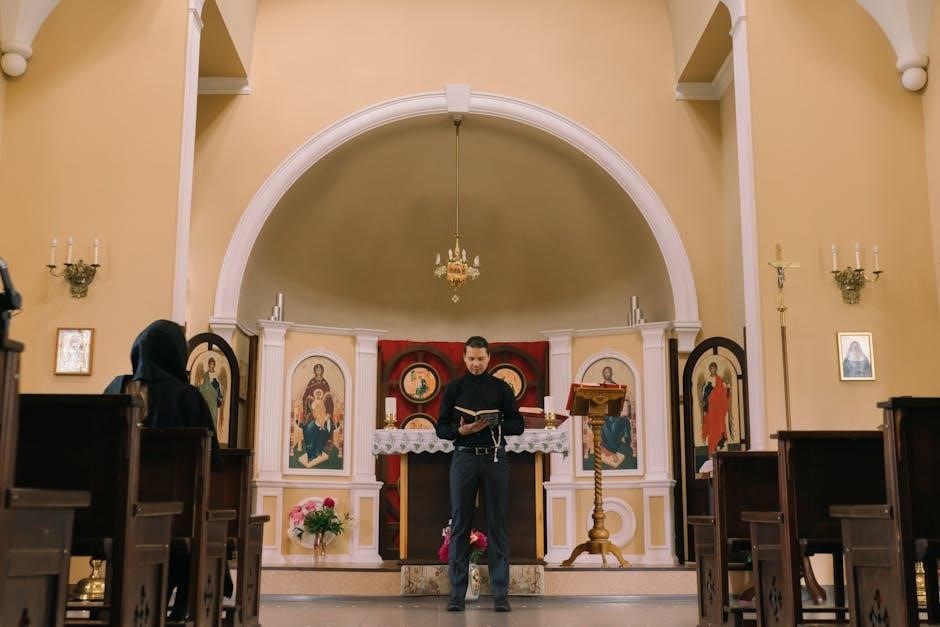
Prayers for Guidance and Discernment
Within the Saint Augustine Prayer Book, readily accessible through PDF downloads, lies a collection of prayers specifically designed for seeking divine guidance and discernment. These aren’t requests for predetermined outcomes, but rather humble appeals for clarity in navigating life’s complexities and aligning one’s will with God’s. The digital format allows for convenient access during moments of uncertainty.
Augustine’s own life was marked by significant decisions, and these prayers reflect a deep understanding of the challenges inherent in discerning God’s path. They often focus on seeking wisdom, understanding one’s purpose, and making choices that honor God. The PDF versions preserve the original intent and spiritual depth of these petitions.
These prayers emphasize surrendering personal desires and trusting in God’s providence. Digital access enables users to easily incorporate these prayers into their daily routines, fostering a continuous dialogue with the divine. The book’s structure supports a contemplative approach, encouraging thoughtful reflection before making important decisions. Moreover, the searchable PDF format allows for quick access to prayers addressing specific areas of concern.

Prayers for Healing and Comfort
The Saint Augustine Prayer Book, conveniently available as a PDF, contains poignant prayers specifically addressing physical, emotional, and spiritual healing, alongside requests for comfort during times of suffering. These aren’t merely pleas for miraculous intervention, but expressions of faith, hope, and trust in God’s compassionate presence. The digital format facilitates immediate access during moments of personal need.
Reflecting Augustine’s own experiences with illness and loss, these prayers acknowledge the reality of pain while affirming God’s unwavering love and power. They often invoke divine mercy, seeking solace and strength for those who are afflicted, and offering gratitude for blessings received. The PDF versions maintain the integrity of these heartfelt petitions.
These prayers emphasize finding peace in God’s embrace, even amidst hardship. Digital accessibility allows for easy integration into daily prayer life, providing a source of comfort and encouragement. The book’s structure supports a holistic approach to healing, addressing the whole person – body, mind, and spirit. Furthermore, the searchable PDF allows quick location of prayers for specific ailments or emotional distress.
The Influence of Psalms
The Saint Augustine Prayer Book, readily accessible in PDF format, demonstrates a profound and pervasive influence of the Psalms throughout its collection of prayers. Augustine himself was a prolific commentator on the Psalms, recognizing them as a foundational element of Christian worship and personal devotion. The digital versions preserve this rich heritage.
Many prayers within the book directly incorporate verses or allusions to the Psalms, drawing upon their themes of praise, lament, repentance, and trust in God. This integration isn’t merely stylistic; it reflects Augustine’s belief that the Psalms encapsulate the full range of human experience and offer a pathway to deeper communion with the divine. The PDF format allows for easy cross-referencing.
The book’s structure often mirrors the Psalter’s movement between adoration and supplication, joy and sorrow. Digital access enhances the ability to study the connections between the prayers and their scriptural roots. Furthermore, the Psalms’ poetic language and imagery permeate the prayer book, shaping its overall tone and theological perspective, making the PDF a valuable resource for spiritual growth.
The Role of Liturgical Tradition
The Saint Augustine Prayer Book, available as a PDF, is deeply rooted in the liturgical traditions of the early Church, particularly those shaped by North African Christianity. Augustine’s own theological development was profoundly influenced by the worship practices of his time, and this is reflected in the prayers compiled within the book. The digital format preserves this historical connection.
The prayers aren’t simply individual expressions of piety; they are designed to be used within a communal context, echoing the rhythms and patterns of liturgical worship. Many of the prayers align with the Daily Office, demonstrating a commitment to regular, structured prayer. PDF versions facilitate easy integration into personal or group devotional routines.
The book’s emphasis on confession, repentance, and seeking God’s guidance reflects the sacramental theology prevalent in Augustine’s era. Accessing the book digitally allows users to explore the historical context of these prayers and understand their place within the broader sweep of Christian liturgical history. Ultimately, the book serves as a bridge connecting contemporary believers with the spiritual heritage of the early Church.
Availability of PDF Versions
The Saint Augustine Prayer Book is increasingly accessible in PDF format, catering to the demands of a digital age. Numerous sources offer downloadable versions, ranging from scans of older editions to digitally formatted texts. Internet Archive, for example, hosts digitized copies, providing access to historical editions. These PDF versions allow for convenient reading on various devices.
However, the availability isn’t uniform; some editions are more readily found than others. Derek A. Olsen’s work is available as a Kindle edition, which can often be converted to PDF, though copyright considerations apply. Free PDF downloads are often found on websites offering public domain texts, but verifying the source’s legitimacy is crucial. Bookreader platforms also host accessible versions.
The proliferation of PDFs reflects a growing desire for accessible spiritual resources. Searching online using keywords like “Saint Augustine Prayer Book PDF” yields numerous results, but users should exercise caution regarding copyright and potential malware. Digital platforms and online bookstores are key distribution points.
Where to Download Saint Augustine Prayer Book PDF
Several online platforms offer the Saint Augustine Prayer Book in PDF format. The Internet Archive (archive.org) is a primary source, hosting digitized versions of older editions, often available for free download. BookBub, while primarily a book promotion site, can lead to discussions and links shared within its virtual book clubs. Searching directly on Google or other search engines using precise keywords – “Saint Augustine Prayer Book PDF download” – will yield numerous results.
Amazon Kindle store offers Derek A. Olsen’s version, which, while requiring purchase, can often be converted to PDF for offline access. Project Gutenberg, a repository of public domain texts, may contain relevant materials, though a direct match isn’t guaranteed. Beware of unofficial websites offering free downloads, as these may pose security risks or violate copyright.
Always verify the legitimacy of the source before downloading. Look for reputable websites and check for copyright information. Exploring online forums and discussion groups dedicated to liturgical prayer can also uncover links to reliable PDF sources. Remember to prioritize legal and safe download options.

Legality and Copyright Considerations
Navigating the availability of the Saint Augustine Prayer Book PDF requires careful attention to copyright law. Older editions, particularly those published before 1928, are generally considered public domain in the United States, allowing for free distribution and download. However, newer translations, commentaries, or arrangements of the prayers are likely protected by copyright.
Downloading PDFs from unofficial sources can be legally problematic, potentially infringing on copyright holder’s rights. Purchasing a digital copy from legitimate retailers like Amazon Kindle ensures compliance with copyright regulations and supports the author and publisher. Even with public domain versions, be mindful of any alterations or additions made by the distributor, as these may be subject to separate copyright claims.
Always check the terms of use and copyright notices associated with any PDF you download. Respecting intellectual property rights is crucial, and opting for legal avenues to access the prayer book demonstrates ethical digital citizenship. Utilizing resources like Project Gutenberg, which specializes in public domain texts, offers a safe and legal option.
Free vs. Paid PDF Options
The Saint Augustine Prayer Book PDF is available through both free and paid channels, each with distinct advantages and drawbacks. Free options often consist of older, public domain editions, readily accessible through websites like Internet Archive or Project Gutenberg. These versions may lack modern translations or supplementary materials, but provide the core prayers and devotions.
Paid PDF versions, typically found on platforms like Amazon Kindle, offer newer translations, enhanced formatting, and potentially additional resources like commentaries or devotional guides. These editions often provide a superior reading experience and support the ongoing work of translators and publishers. The cost varies depending on the edition and retailer.
Consider your needs when choosing. If you seek a basic, historically accurate text, a free option may suffice. However, if you desire a contemporary translation, improved readability, or supplementary materials, a paid version is a worthwhile investment. Always verify the source’s legitimacy to avoid malware or copyright infringement.
Using the PDF on Different Devices
The versatility of a Saint Augustine Prayer Book PDF lies in its accessibility across a wide range of devices. On computers (Windows, macOS, Linux), standard PDF readers like Adobe Acrobat Reader, Foxit Reader, or even web browsers can effortlessly display the document. Tablets (iPad, Android tablets) offer a comfortable reading experience, utilizing dedicated PDF reader apps for features like annotation and bookmarking.
Smartphones, while smaller, still allow for convenient access, though font size adjustments are often necessary. Dedicated e-readers, such as Kindle devices, support PDF viewing, though formatting may require some adjustment due to differing screen sizes and reflow capabilities. Cloud storage services (Google Drive, Dropbox) facilitate syncing the PDF across multiple devices.
For optimal use, consider utilizing features like search functionality to quickly locate specific prayers or passages. Experiment with zoom levels and screen orientation to find a comfortable viewing configuration. Ensure your device has sufficient storage space and a reliable internet connection for downloading and syncing.
Kindle and E-reader Compatibility

While the Saint Augustine Prayer Book in PDF format can be read on Kindle devices, the experience isn’t always seamless. Kindle’s PDF rendering prioritizes fixed-layout viewing, meaning the original formatting of the PDF is preserved, potentially resulting in smaller text and the need for frequent zooming and panning. Reflow, the text-adjusting feature common in Kindle books, is often limited or unavailable with PDFs.
Other e-readers, like Kobo devices, exhibit similar behavior. Conversion to a more e-reader-friendly format, such as AZW3 or EPUB, can significantly improve readability, though this may require third-party software. However, conversion can sometimes introduce formatting errors. Directly uploading the PDF to your Kindle via USB or sending it via email (using your Kindle’s designated email address) is the standard method.
Users report varying degrees of success depending on the PDF’s original quality and complexity. Experimentation with font sizes and margins within the Kindle’s settings is recommended. Consider that complex layouts with images or multiple columns may not display optimally on smaller e-reader screens.
Online Communities and Discussion Groups
Engaging with fellow users of the Saint Augustine Prayer Book enhances the devotional experience. Platforms like BookBub host virtual book clubs and discussion groups specifically focused on spiritual texts, offering a space to share insights and ask questions. Facebook groups dedicated to Anglican or Episcopal prayer traditions frequently feature discussions about this prayer book, providing a forum for communal reflection.
Reddit also contains relevant subreddits where users discuss liturgical practices and share resources, including PDF versions and tips for optimal use on various devices. Online forums associated with specific denominations often have threads dedicated to prayer book studies. These communities are invaluable for navigating the book’s complexities and discovering new ways to incorporate its prayers into daily life.
Furthermore, many websites offering the PDF for download include comment sections where users share their experiences and offer support. Participating in these online spaces fosters a sense of connection and encourages deeper engagement with Saint Augustine’s timeless wisdom.
The Enduring Relevance of Saint Augustine’s Prayers
Despite being rooted in a historical context, Saint Augustine’s Prayer Book continues to resonate with contemporary seekers. The availability of the text in accessible PDF format ensures its continued reach, allowing individuals to engage with Augustine’s profound theological insights and devotional practices. Its focus on confession, guidance, and healing addresses universal human needs, transcending temporal boundaries.
The book’s structure, deeply influenced by the Psalms and liturgical tradition, provides a framework for cultivating a consistent spiritual life. Whether utilized on Kindle devices, computers, or printed copies, the prayers offer solace, direction, and a pathway to deeper communion with the divine. The enduring popularity, evidenced by ongoing online discussions and community engagement, demonstrates its lasting impact.
Ultimately, Saint Augustine’s prayers remain a powerful resource for those seeking to navigate the complexities of faith and find meaning in a rapidly changing world. Its wisdom continues to inspire and challenge, solidifying its place as a timeless classic.